
Travel
Gherardi, Ferrara, Italy: The Cinema Village
History and Rebirth Through Murals

Gherardi The Cinema Village (Source: Roberto Magni Daniela Comi By Foto ReD Agency)
Gherardi The Cinema Village
(Source: Roberto Magni Daniela Comi By Foto ReD Agency)
(Source: Roberto Magni Daniela Comi By Foto ReD Agency)
History and Rebirth Through Murals
by Roberto Magni and Daniela Comi – Foto ReD Photographic Agency
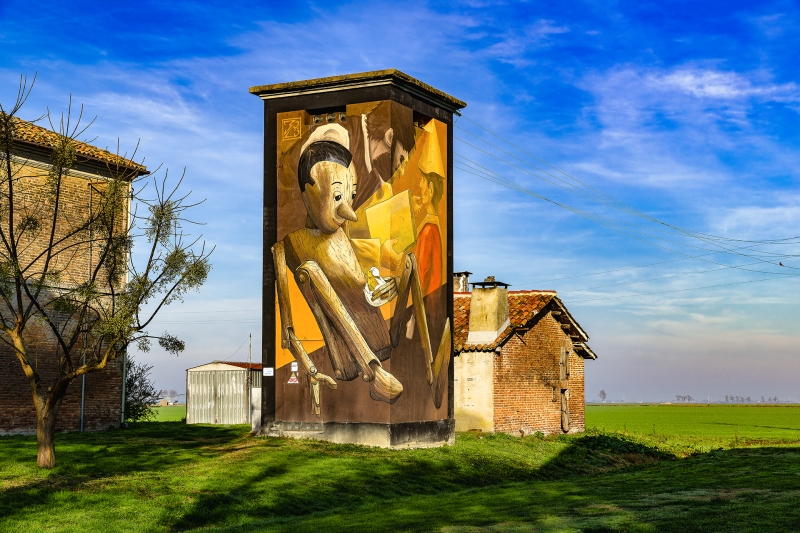
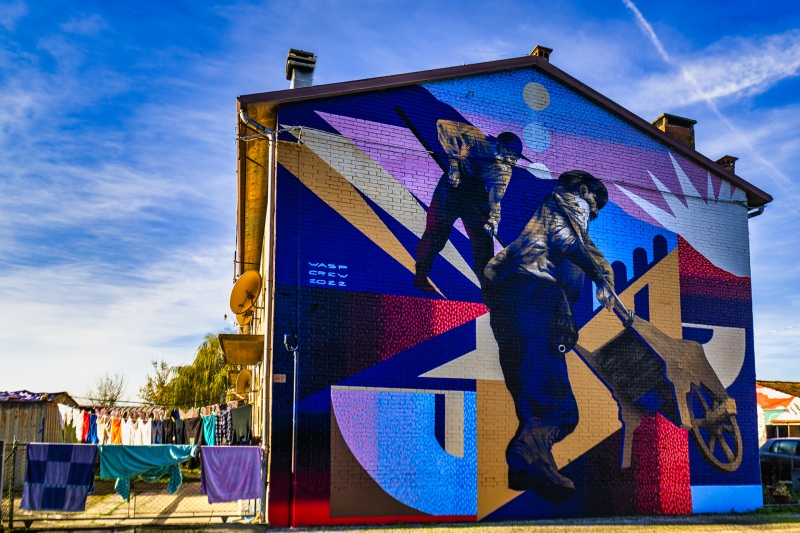
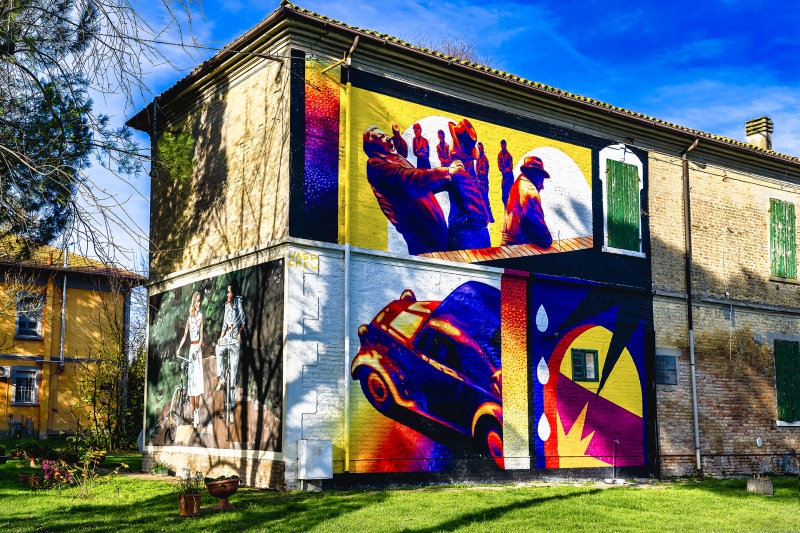
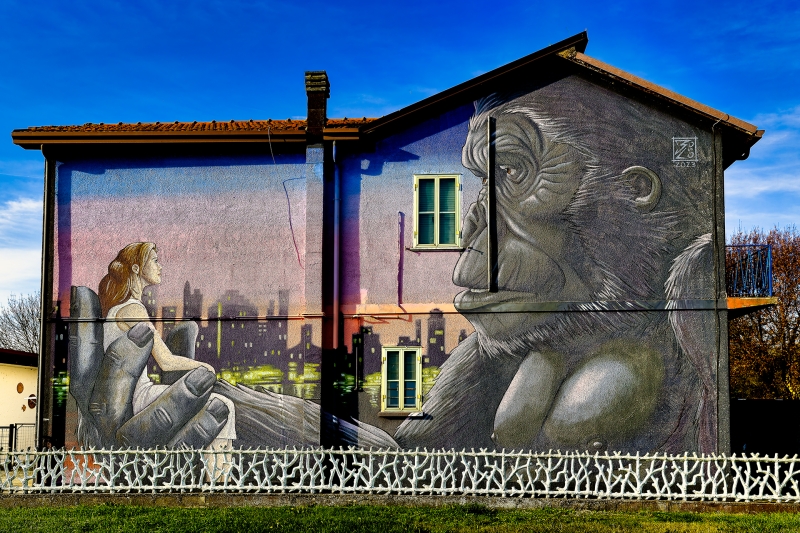
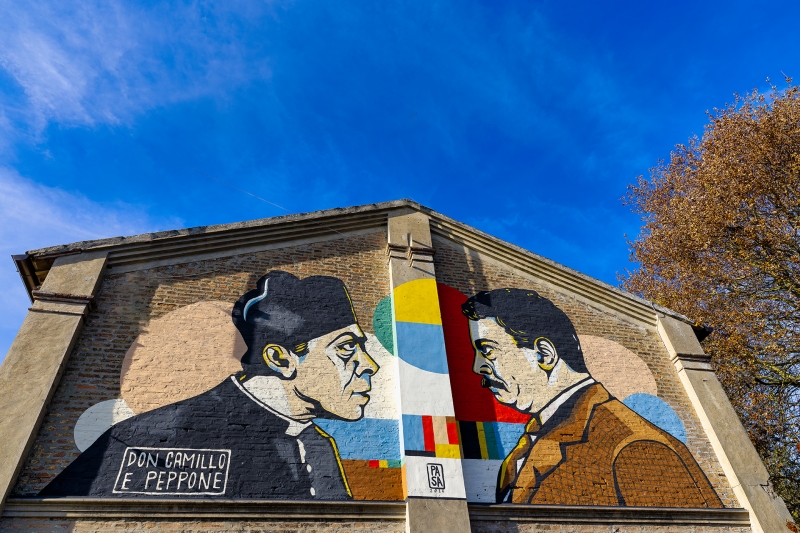
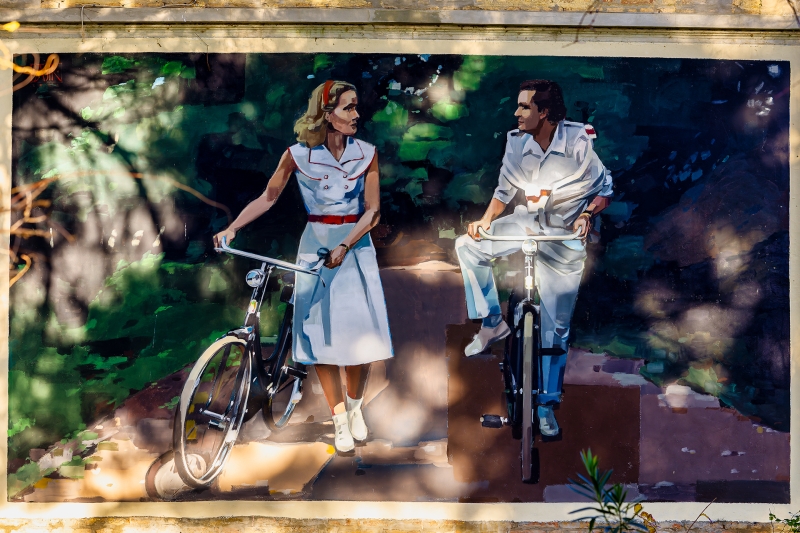
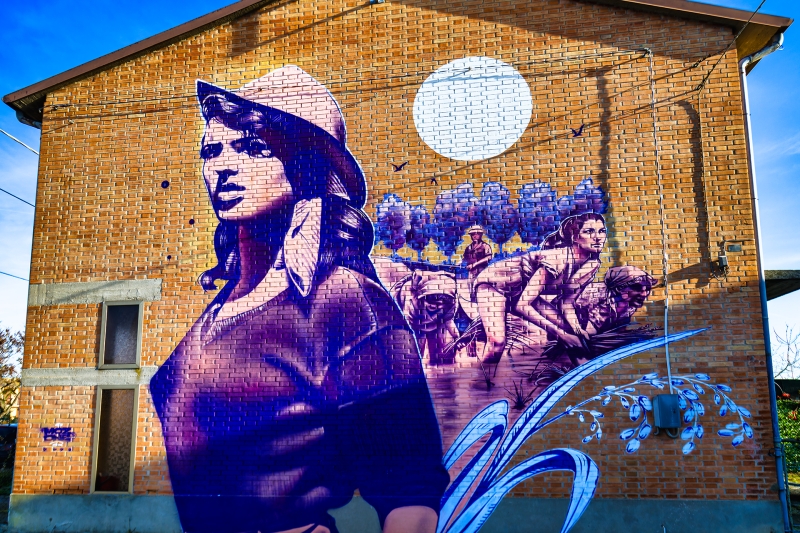
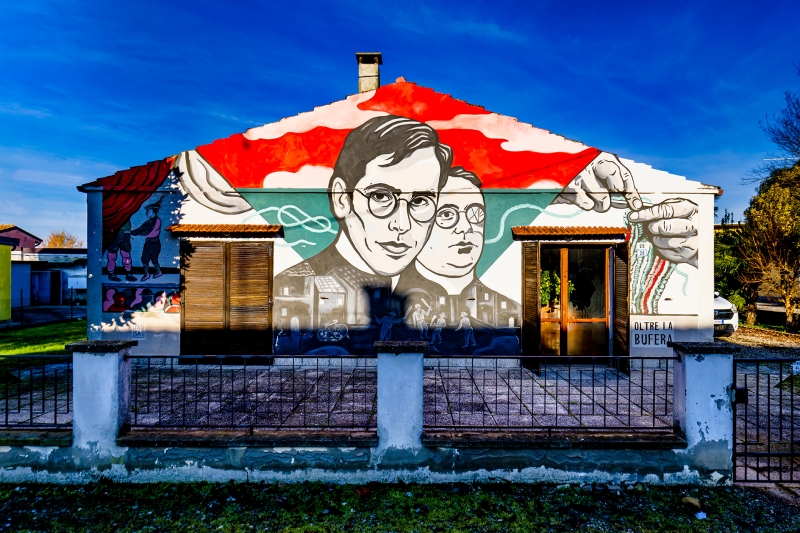
There are places that seem asleep, suspended in time, and then suddenly awaken with a creative force capable of surprising anyone who passes through them. Gherardi, a tiny hamlet in the municipality of Jolanda di Savoia, in the heart of the Ferrara lowlands, is one of these. Today this village counts just over sixty inhabitants, yet in recent years it has managed to reinvent itself, transforming into a true Cinema Village: an open-air museum where murals dedicated to the great icons of the seventh art converse with the houses, the streets, and the memory of the territory.
When we arrived here to create our photographic reportage for Foto ReD Photographic Agency, we did not expect to find such a microcosm rich in stories, colors, and visions. Gherardi is not just a village: it is a permanent film set, a cultural laboratory, a shining example of how art can bring new life to what once seemed destined for silence.
Gherardi The Cinema Village
Source: Roberto Magni Daniela Comi By Foto ReD Agency
Source: Roberto Magni Daniela Comi By Foto ReD Agency
Gherardi The Cinema Village
Source: Roberto Magni Daniela Comi By Foto ReD Agency
Source: Roberto Magni Daniela Comi By Foto ReD Agency
Gherardi The Cinema Village
Source: Roberto Magni Daniela Comi By Foto ReD Agency
Source: Roberto Magni Daniela Comi By Foto ReD Agency
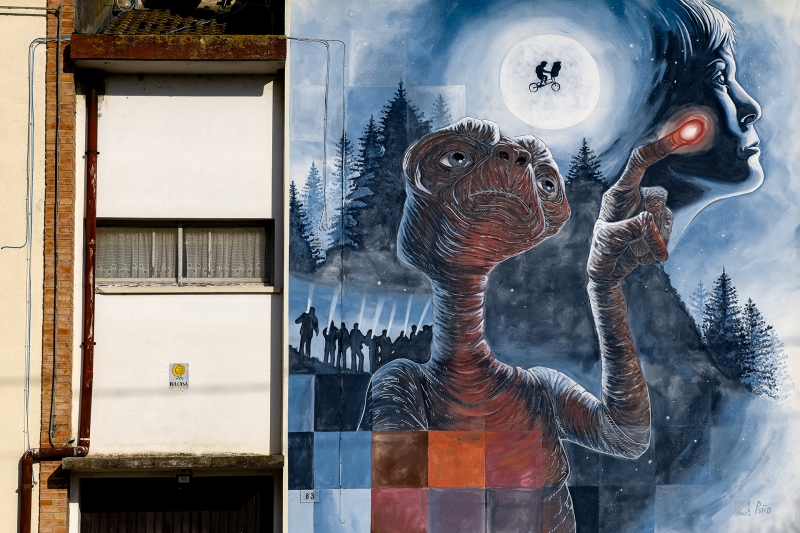
Gherardi The Cinema Village
Source: Roberto Magni Daniela Comi By Foto ReD Agency
Source: Roberto Magni Daniela Comi By Foto ReD Agency
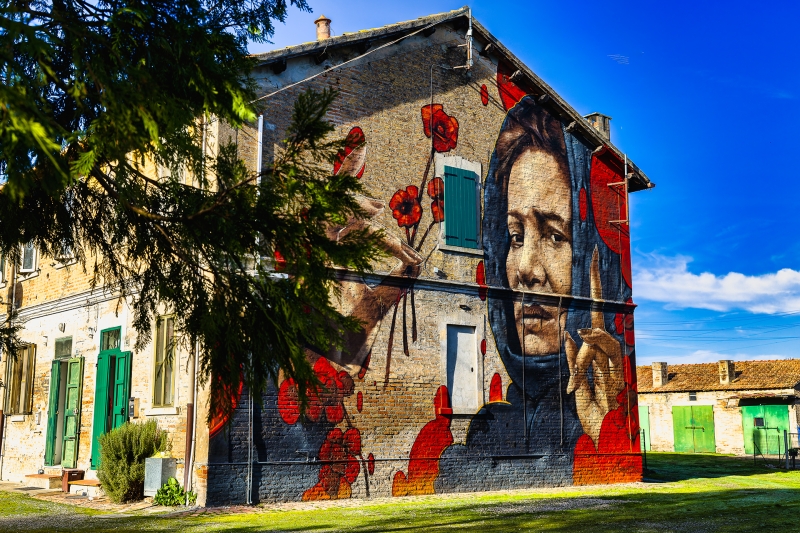
Gherardi The Cinema Village
Source: Roberto Magni Daniela Comi By Foto ReD Agency
Source: Roberto Magni Daniela Comi By Foto ReD Agency
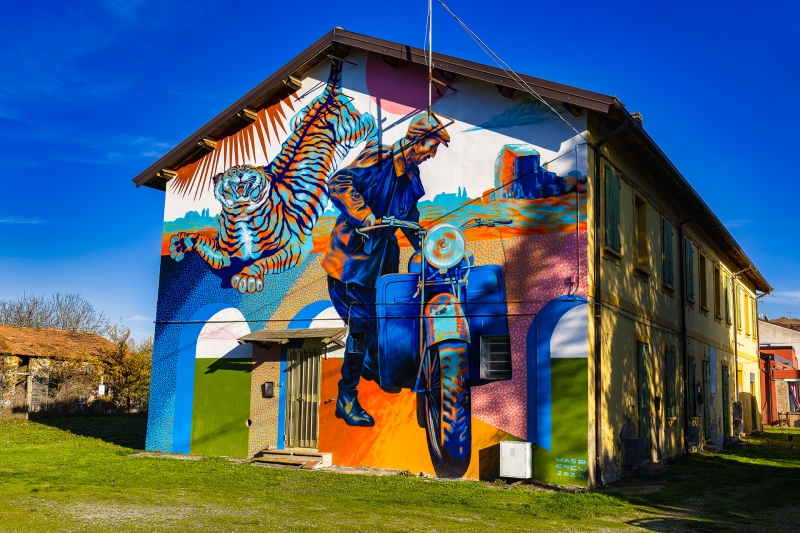
Gherardi The Cinema Village
Source: Roberto Magni Daniela Comi By Foto ReD Agency
Source: Roberto Magni Daniela Comi By Foto ReD Agency

Gherardi, Ferrara, Italy: The Cinema Village
Source: Roberto Magni Daniela Comi By Foto ReD Photographic Agency
Source: Roberto Magni Daniela Comi By Foto ReD Photographic Agency
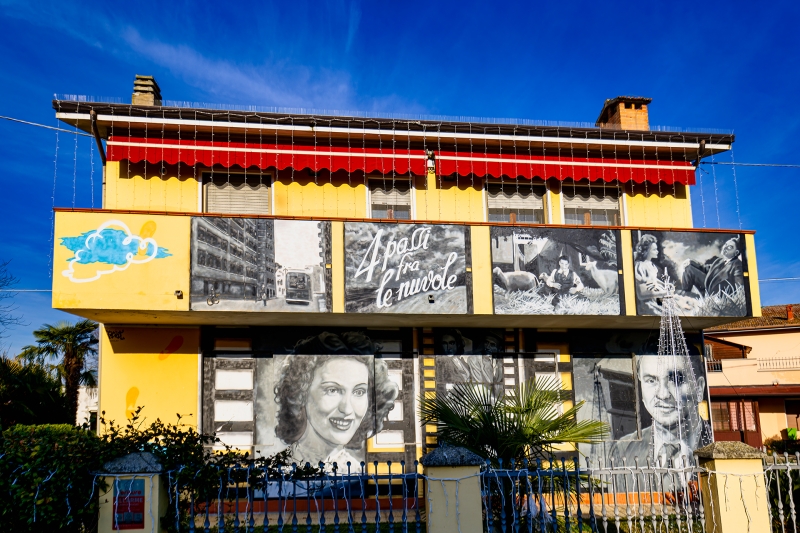
Gherardi, Ferrara, Italy: The Cinema Village
Source: Roberto Magni Daniela Comi By Foto ReD Photographic Agency
Source: Roberto Magni Daniela Comi By Foto ReD Photographic Agency

Gherardi, Ferrara, Italy: The Cinema Village
Source: Roberto Magni Daniela Comi By Foto ReD Photographic Agency
Source: Roberto Magni Daniela Comi By Foto ReD Photographic Agency
Gherardi, Ferrara, Italy: The Cinema Village
Source: Roberto Magni Daniela Comi By Foto ReD Photographic Agency
Source: Roberto Magni Daniela Comi By Foto ReD Photographic Agency
Gherardi, Ferrara, Italy: The Cinema Village
Source: Roberto Magni Daniela Comi By Foto ReD Photographic Agency
Source: Roberto Magni Daniela Comi By Foto ReD Photographic Agency
Gherardi, Ferrara, Italy: The Cinema Village
Source: Roberto Magni Daniela Comi By Foto ReD Photographic Agency
Source: Roberto Magni Daniela Comi By Foto ReD Photographic Agency

Gherardi, Ferrara, Italy: The Cinema Village
Source: Roberto Magni Daniela Comi By Foto ReD Photographic Agency
Source: Roberto Magni Daniela Comi By Foto ReD Photographic Agency

Gherardi, Ferrara, Italy: The Cinema Village
Source: Roberto Magni Daniela Comi By Foto ReD Photographic Agency
Source: Roberto Magni Daniela Comi By Foto ReD Photographic Agency
Gherardi, Ferrara, Italy: The Cinema Village
Source: Roberto Magni Daniela Comi By Foto ReD Photographic Agency
Source: Roberto Magni Daniela Comi By Foto ReD Photographic Agency
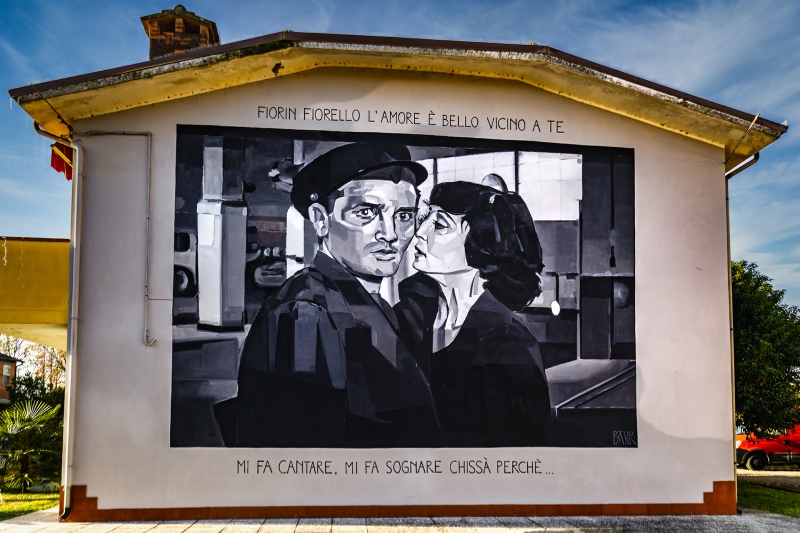
Gherardi, Ferrara, Italy: The Cinema Village
Source: Roberto Magni Daniela Comi By Foto ReD Photographic Agency
Source: Roberto Magni Daniela Comi By Foto ReD Photographic Agency
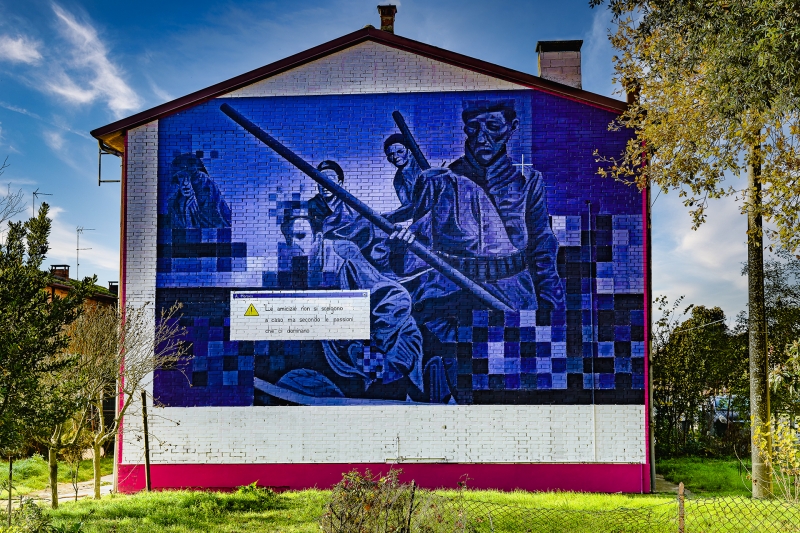
Gherardi, Ferrara, Italy: The Cinema Village
Source: Roberto Magni Daniela Comi By Foto ReD Photographic Agency
Source: Roberto Magni Daniela Comi By Foto ReD Photographic Agency
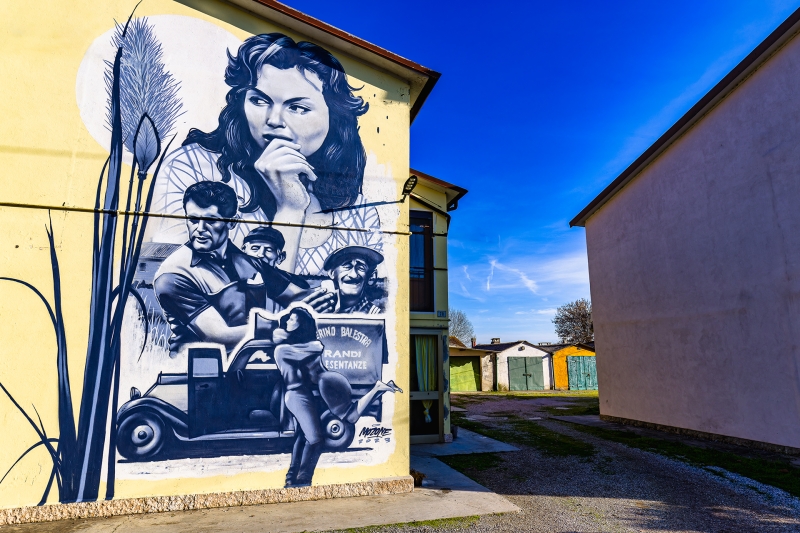
Gherardi, Ferrara, Italy: The Cinema Village
Source: Roberto Magni Daniela Comi By Foto ReD Photographic Agency
Source: Roberto Magni Daniela Comi By Foto ReD Photographic Agency
more information: https://www.redmagazine.red
Liability for this article lies with the author, who also holds the copyright. Editorial content from USPA may be quoted on other websites as long as the quote comprises no more than 5% of the entire text, is marked as such and the source is named (via hyperlink).